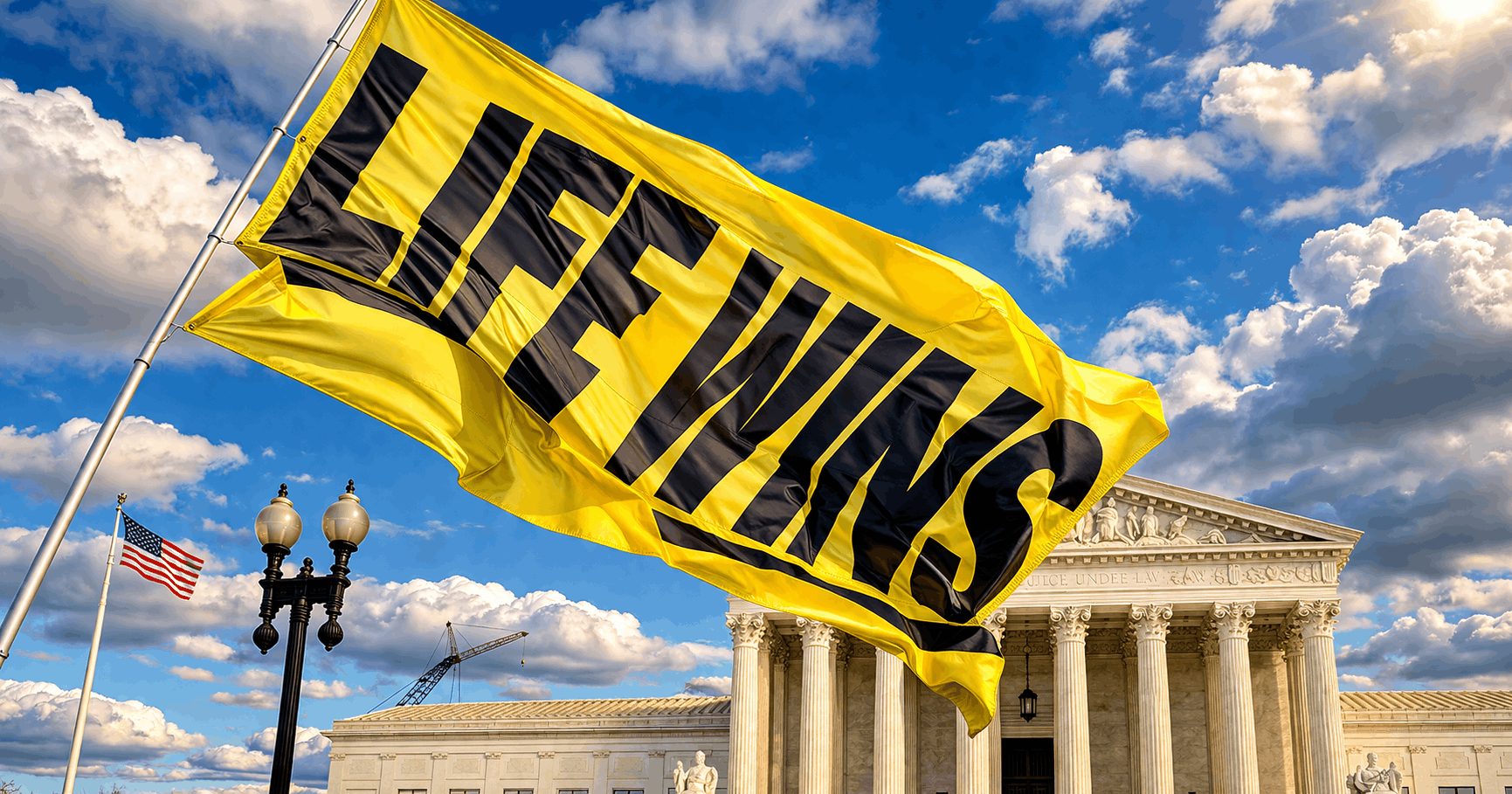
Dobbs overturned Roe, but abortion did not disappear. Pills, telehealth, shield laws, and interstate workarounds reshaped the fight for life, and Christians must answer with truth, courage, and tangible care.
When the U.S. Supreme Court handed down its historic decision in Dobbs v. Jackson Women’s Health Organization in 2022, many pro-life Christians rightly celebrated. After nearly 50 years, Roe v. Wade was overturned, and the constitutional fiction of a nationwide right to abortion was dismantled.
But if recent data tells us anything, the end of Roe was hardly the end of abortion in America. Not even close, unfortunately.
Planned Parenthood’s most recent annual report revealed that its affiliates performed 434,450 during fiscal year 2024-25. The broader national picture is just as sobering. The Society of Family Plannings #WeCount project estimated about 1.14 million abortions in 2024, and more than 590,000 in the first half of 2025 alone, showing that abortion totals have remained painfully high after Dobbs rather than collapsing overnight.
For those who believed that overturning Roe would dramatically reduce abortion overnight, these numbers are sobering and downright unsettling. But they should not be a surprise.
Dobbs did not outlaw abortion. It only returned the issue to the states, and what followed was not a unified effort to protect life but a deepening divide across the country. In other words, it marked the beginning of a new phase in the battle for life.
While the pro-life movement was rightly celebrating the end of a 50-year-old decision that had enabled the deaths of more than 60 million unborn children, the pro-abortion movement moved at lightning speed to implement their contingency plans. Their strategy was — and continues to be —using the courts, lawfare, ballot measures, the media, propaganda, and even violence to try to confuse the issue and win every battle they possibly can — in blue states and red.
To be sure, the pro-life movement made great headway out of the gate. In some states, lawmakers were able to move quickly to pass strong pro-life protections, and several enacted laws restricting or banning abortion, including near-total bans. These efforts represent the will of millions of Americans who believe that unborn children deserve legal protection and that life begins long before birth.
But in other states, the response was the opposite. States like California, New York, and Illinois have doubled down on abortion access, expanding legal measures and even positioning themselves as destinations for women traveling from pro-life states. Pro-abortion activists sought to put “right to abortion” measures on the ballot in numerous states, including conservatives ones like Kansas, that amended state constitutions and eliminated the ability of legislators to enact even the most basic restrictions. And pro-life laws in red states have been challenged by the pro-abortion machine and overturned by pro-abortion judges, most recently in Indiana and Wyoming.
This has created a patchwork nation in which the value of a human life depends largely on geography.
The result is a tragic paradox. While some states are able to save lives through stronger protections, others are facilitating even more abortions, often through new methods that skip traditional restrictions. And because of this patchwork, states that want to protect life within their jurisdiction are thwarted by abortion tourism in nearby states, along with the rising reliance on abortion pills.
In fact, one of the biggest shifts in a post-Roe world is how rapidly abortion has moved away from the clinic and toward chemical abortion. By 2023, medication abortion accounted for 63 percent of U.S. abortions. Telehealth has also continued to expand: by the end of 2024, 1 in 4 abortions was provided via telehealth, and in the first half of 2025, that figure rose to 27 percent. Shield laws and interstate mail distribution have made enforcement far more difficult, even in states that enacted strong pro-life protections.
These pills and the loosening of protocols surrounding their administration and distribution has changed the entire dynamic of abortion in America.
Abortion is no longer limited to a clinic. It is now a drug transaction that can be exchanged from a phone or laptop.
Even in states that have passed strong pro-life laws, providers are still finding ways to reach women through telehealth appointments and mail delivery. Some pro-abortion states have even adopted shield laws that protect doctors who send these drugs across state lines, creating a murky legal situation that makes enforcement much more difficult.
In other words, the abortion industry quickly adapted to a post-Roe reality. The pro-life movement needs to adapt too.
The change calls for renewed focus. Scripture is clear about the value of human life. Psalm 139 reminds us that God knits each person together in the womb. Jeremiah 1:5 declares that God knows us before we are born. The sanctity of life is a core truth rooted in God’s character.
Living out a pro-life conviction after Dobbs means more than just relying on legislatures and courts to do the right thing; it means recognizing that the battlefield has changed and the opposition will do anything to win. Laws can set boundaries, but they cannot reach into someone’s heart or change the way a culture thinks about life. The reality that abortion numbers remain as high as ever shows that this is not just a legal issue; it is a deeply moral and spiritual problem.
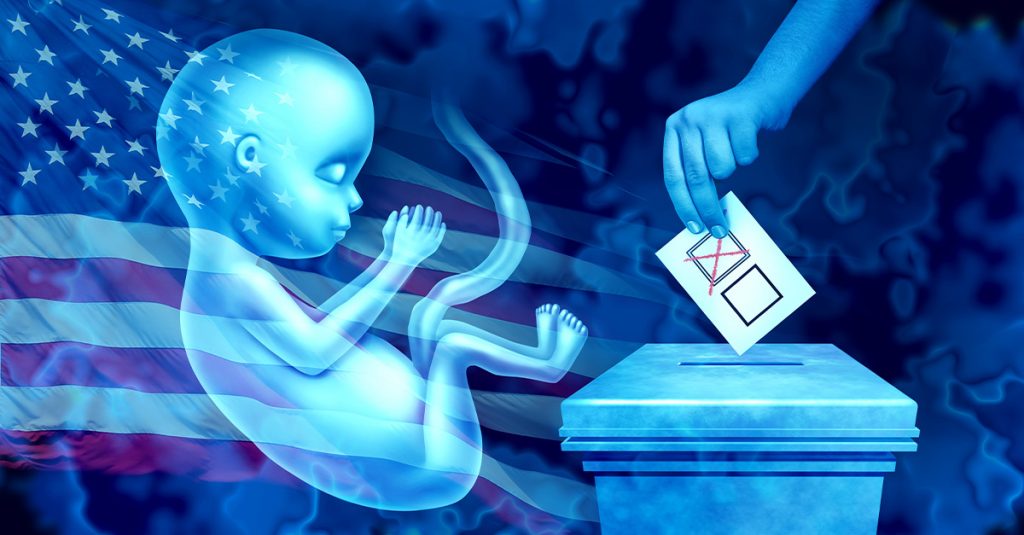
There is also a growing need to pay much closer attention to what is happening in the states. Now that much of the authority sits at that level, elections for governors, state lawmakers, and even local officials carry real consequences. The direction each state takes on protecting life will depend on those decisions, not just on what happens in Washington. And so Christians must do their civic duty by voting for pro-life candidates and pro-life policies in every single election, including primaries and special elections.
The Church has to be present in a real, visible way. If we speak about the value of life, people should also see that lived out in how we treat others. That means showing up for women facing hard choices, supporting families through adoption or foster care, and offering help that is practical, personal, and consistent. That means supporting local crisis pregnancy centers and pro-life organizations with our time, resources, and prayers. That means sharing the hope of the Gospel to a hurting, confused, and lost generation of young men and women.
The early Church transformed the Roman world in part because Christians were known for rescuing abandoned infants and caring for the vulnerable. In our time, we are called to do the same.
The pro-life movement must also confront the increasing influence of chemical abortion. This is one of the most urgent challenges in the post-Dobbs era. The ease with which abortion pills can be distributed (and forced on women) has made it more difficult for laws to be enforced and has expanded access even to states with abortion restrictions.
Christians have a role to play in confronting the normalization of chemical abortion and in pointing women to life-affirming help. Heartbeat International says its Abortion Pill Rescue® Network has now reported more than 8,000 lives saved, though abortion-rights advocates dispute those claims and major medical groups reject abortion pill reversal as established science. At a minimum, Christians should ensure that women in crisis know where to find immediate, compassionate, life-affirming care.
Finally, Christians must not lose heart. It is easy to become discouraged when faced with statistics showing rising abortion numbers and the aggressive expansion of pro-abortion policies and tactics across the country.
But the pro-life movement has always been a long-term effort rooted in faithfulness, not immediate results.
The overturning of Roe v. Wade was once considered impossible. Yet it happened because generations of believers prayed, marched, and refused to give up. The battlefield has shifted, but the mission remains the same.
We are called to defend the defenseless, to speak for those who cannot speak for themselves, and to proclaim the truth that every human life is made in the image of God. The Dobbs decision did not end the fight for life. It returned that fight to where it has always belonged — in our communities and our churches.
If the battle for life is changing, the Church cannot afford to stand still. Make a tax-deductible gift today and help the Standing for Freedom Center expose the abortion movement’s new tactics, equip Christians with biblical clarity, and strengthen a culture that defends mothers, babies, and truth with courage and compassion.