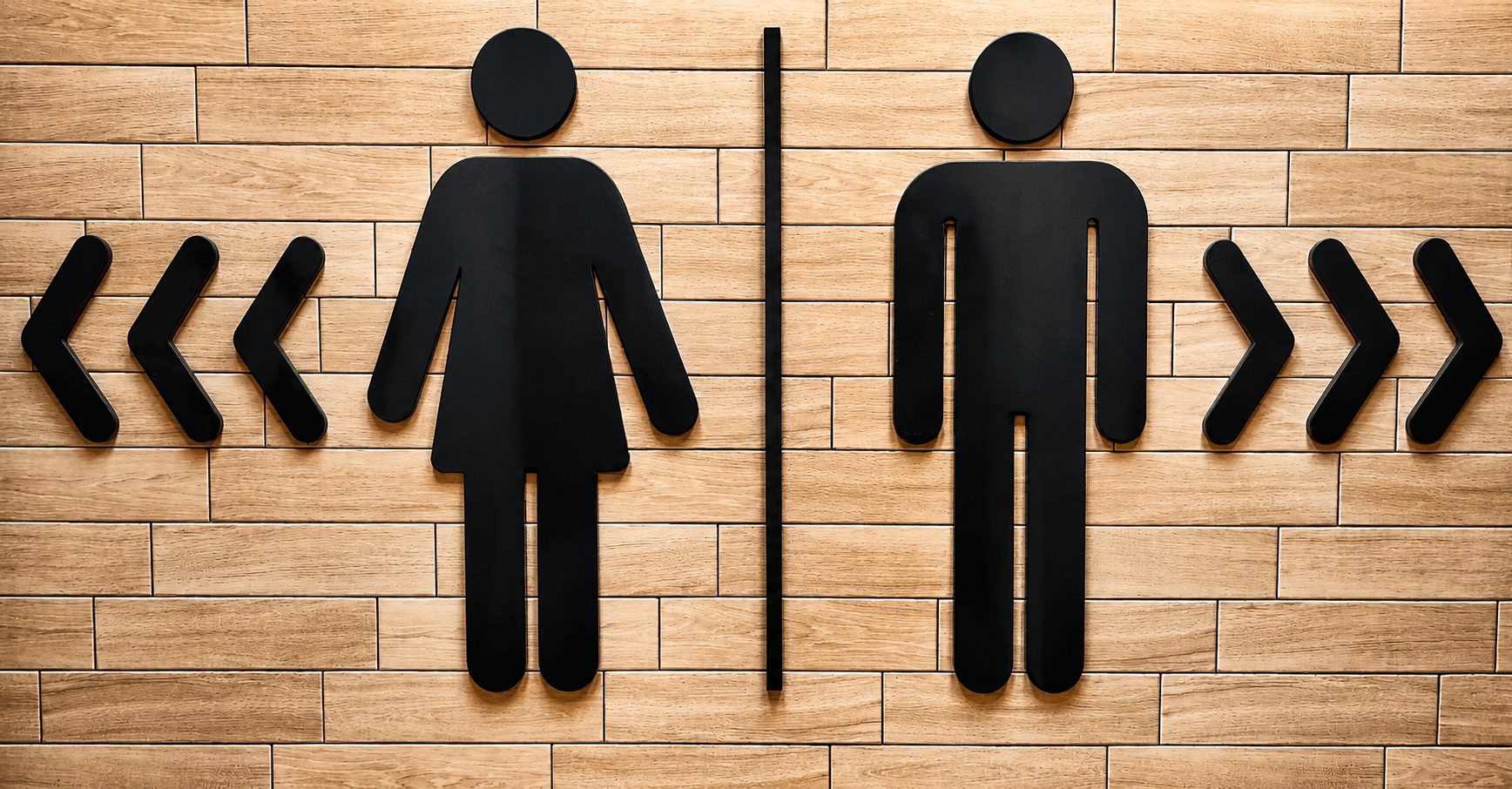
The Palmetto State codifies what everyone used to know instinctively: women’s private spaces are for women and men’s private spaces are for men.
It’s hard to believe it even has to be stated, but men have no business being in women’s private spaces. That’s not discrimination but a basic principle of privacy, safety, and biological reality.
Following the lead of other states, South Carolina has now written that common-sense principle into law. At a time when gender ideology has pressured schools and public institutions to ignore the obvious, the Palmetto State is choosing sanity over surrender — and protecting students who should never have been forced into this fight.
House Bill 4756, signed on May 15 by Gov. Henry McMaster, R, expands an existing state law that separates private spaces by biological sex in public buildings and facilities. The new law effectively bars biological males from using female-designated locker rooms, bathrooms, dorms, and overnight accommodations (and vice versa) at all taxpayer-funded educational institutions, including K-12 schools and universities. The South Carolina Senate approved the measure 33-2, while the House passed it 96-19.
Under the law, schools and colleges that fail to comply could lose 25 percent of their funding from the South Carolina Department of Education. The measure includes exceptions for custodial and maintenance work when the facility is not occupied, coaching or athletic training when no one is undressed, medical assistance, emergencies, disability accommodations, assistance for elderly persons, and parents or guardians helping young children.
The law also creates a private right of action for individuals who encounter someone of the opposite sex in a restroom or locker room if they can show that a school or college allowed a transgender-identifying student to use facilities based on gender identity or failed to post “clear and recognizable signage designating the appropriate sex for the restroom or changing facility.”
Schools and colleges will also be required to provide accommodations such as single-use restrooms, temporary exclusive use of multioccupancy facilities, or portable single-user spaces for those who identify as transgender.
South Carolina Attorney General Alan Wilson celebrated the new law, calling it a win for safety and common sense. “Our state’s women and girls rely on the privacy of these spaces and the assurance that they are safe from any potential harm when using them.”
By contrast, the ACLU of South Carolina criticized the law, arguing that it targets transgender students. Executive Director Jace Woodrum said the measure would make “life harder for a small group of students who already face higher risks of bullying, harassment, and violence.”
Nine states and Puerto Rico currently prohibit transgender-identifying individuals from using bathrooms and facilities that don’t align with their biological sex in government-owned buildings and spaces, including K-12 schools and colleges. Nine additional states apply restrictions to K-12 schools and at least some other government buildings, while three states apply restrictions only to K-12 schools. Four states classify certain violations as criminal offenses.
Hopefully, even more states will follow suit, because if they care at all about protecting their constituents, they really have no choice but to codify this issue. That’s because too many schools, organizations, and public entities — whether they are intimidated by the LGBTQ lobby or are themselves true believers — have embraced delusional policies that put everyone at risk.
Those who complain about it are too often dismissed, criticized, banned, or even arrested when their only motivation is personal privacy or the welfare of their children. And if conversations around these topics seem contentious and personal, it’s because those who are setting the policy are not listening — or they are actively allowing or covering up inappropriate and even predatory behavior in places where people, especially women and children, are at their most vulnerable.
In Loudoun County, Virginia, for example, a skirt-wearing male student who identified as female raped a 14-year-old girl in a school restroom. The scandal drew national attention not only because of the assault, but because school officials concealed important details and even had the victim’s father arrested at a school board meeting while publicly denying that such incidents could actually happen under their policies. In a second case, Loudoun County again faced controversy after allegations surfaced that a female student identifying as male entered boys’ bathrooms and recorded male students inside. Some of the boys were actually suspended for telling the girl to leave their bathroom, even as school officials attempted to minimize public criticism. The fact is, boys also deserve privacy protections.
In Colorado, Jefferson County Public Schools has been sued by three parents after they learned their children were being forced to sleep in overnight accommodations and to use shower facilities with opposite-sex students and camp counselors. According to the lawsuit, parents were told nothing of the arrangements and only learned about it from their distraught children (both boys and girls).
Federal officials recently opened an inquiry into Arlington Public Schools in Virginia after a registered sex offender who claims to be transgender was repeatedly allowed to walk into women’s lockers rooms and expose himself to young girls; he later was given the same permissions at a recreation center in nearby Fairfax County.
In San Francisco, California, a YMCA facility has finally taken steps to strengthen its locker room rules after members repeatedly complained about a transgender-identifying man who was flaunting his naked body in a female locker room, including in front of children. In Massachusetts, parents of a nine-year-old at Rochester Memorial School filed a Title IX complaint alleging that a transgender-identifying classmate entered the girls’ restroom and barged into their daughter’s stall. The district said it remains bound by Massachusetts law and state education policy, but the parents’ concern is exactly why this debate cannot be dismissed as imaginary.
These situations are the result of policies that place ideology ahead of common sense concerns about privacy and safety. Christians should approach this issue from both a moral and biblical perspective. God created humanity as male and female, equal in value but distinct in important ways. Biological differences should continue to play a role in policies involving privacy, fairness, and safety.
Of course, every person should be treated with dignity and compassion, but respecting individuals does not require denying biological differences or dismissing the concerns of parents, students, and others who worry about the impact these policies may have.
Parents are tired of schools and institutions treating their concerns as irrational or hateful. Mothers do not want daughters forced to undress beside biological males. Fathers do not want sons filmed in bathrooms by female students claiming a different gender identity. Women and girls should not be expected to surrender privacy or safety in order to accommodate political ideology, nor should schoolboys.
South Carolina’s law reflects a growing national recognition that sex-based protections exist for good reason. Defending women’s spaces is not extreme — erasing them is.
The growing backlash across the country is not driven by hatred. It is driven by ordinary Americans who believe truth still matters, biology is real, and women and children deserve protection.
When powerful institutions tell girls to surrender privacy and parents to stay silent, truth needs defenders with courage. Your tax-deductible gift helps the Standing for Freedom Center expose gender ideology, defend women and children, and equip Christians to stand for liberty, family, and biblical truth without bowing to the mob.