A bill making its way through the Texas legislature that sets aside time for voluntary prayer and Bible study during the school week would restore true religious freedom while also giving hope and moral guidance to the next generation.
Texas Attorney General Ken Paxton recently encouraged schools to bring back voluntary prayer and Bible reading, addressing an issue that runs deep in the hearts of millions of Christian parents across America. For decades, we’ve watched as faith has been stripped from classrooms and replaced with values that often undermine what we instill in our children at home.
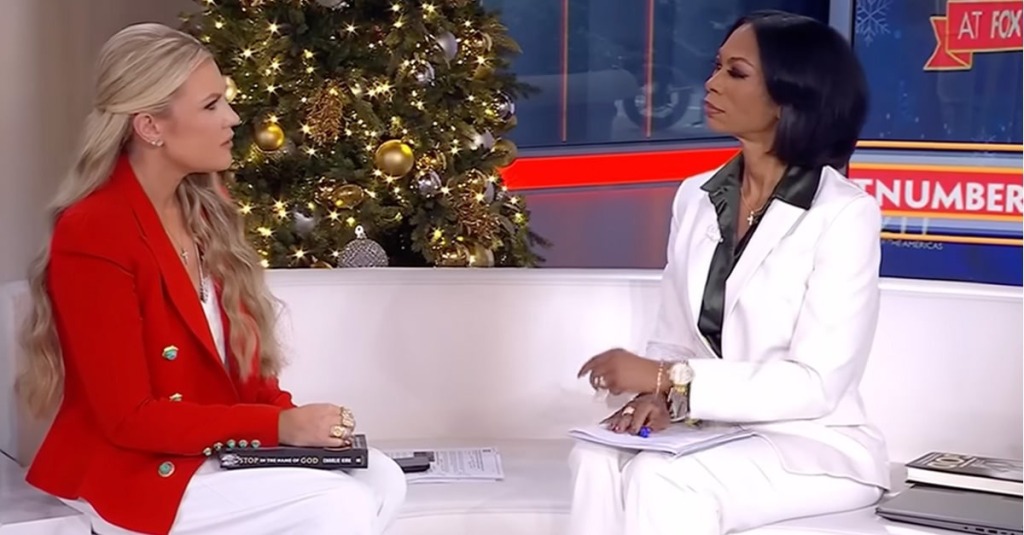
Paxton said it plainly in a recent Fox News interview: “In Texas classrooms, we want the Word of God opened, the Ten Commandments displayed, and prayers lifted up.” He added that opponents of this effort “want to erode the moral fabric of our society and dismantle the very foundation that America’s greatness was built upon.”
Paxton’s call echoes a long tradition in American history. From the Continental Congress’ request for national days of prayer during the Revolutionary War to Abraham Lincoln’s declaration of prayer and fasting during the Civil War, leaders have long recognized that prayer is not a threat to liberty but its lifeline.
Even schools themselves once reflected this reality. Until the early 1960s, prayer and Bible readings were a mainstay in classrooms. Children recited the Lord’s Prayer and memorized Scripture right alongside arithmetic tables. That changed with a pair of Supreme Court decisions, Engel v. Vitale (1962) and Abington v. Schempp (1963), which banned state-sponsored school prayer and Bible reading.
While students still technically retain the right to pray voluntarily, prayer has effectively vanished from schools. Teachers are often ordered to discourage it. Students who dare pray over lunch or bring a Bible risk being mocked or even disciplined.
Parents know what happens when faith is pushed out of the classroom. Something else rushes to fill the void. If children aren’t learning moral truth grounded in God’s Word, they’re left to navigate a world of relativism, gender confusion, secular activism, and moral turmoil.
Scripture warns us of this reality. Proverbs 22:6 tells us: “Train up a child in the way he should go; even when he is old he will not depart from it.” This training cannot end at the church door or the kitchen table. When our children spend six to eight hours a day in schools where prayer is forbidden, God is sidelined, and the Bible is mocked, what message do they absorb?
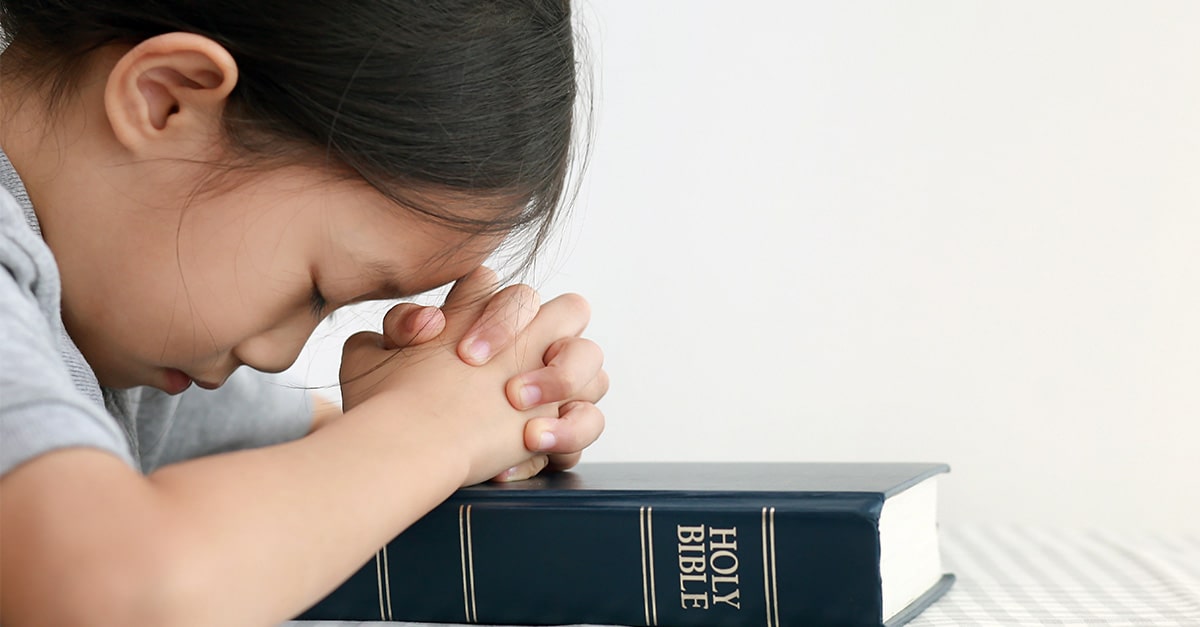
Bringing prayer and Scripture back into schools does not force belief. Instead, it restores the freedom for students to acknowledge God publicly, without fear. Senate Bill 11, recently passed in Texas, makes that possible. It allows schools to set aside time for Bible reading and personal prayer with parental consent. The proposed law protects liberty on both sides: No child is compelled but neither is any child silenced.
Critics argue this will create division or that it violates “separation of church and state.” However, as many legal scholars have pointed out, the Constitution only forbids the government from establishing a national church — it does not prohibit public acknowledgment of God. George Washington, in his first inaugural address, said plainly, “It is the duty of all nations to acknowledge the providence of Almighty God.”
Allowing children to read Scripture or pray in school does not establish a state religion. It simply reflects the reality of millions of families in Texas and across America who want their children to know God’s Word and live by His wisdom.
So what can parents do? First, we must support leaders like Ken Paxton who are willing to push back against cultural hostility to faith. Too often, Christians sit quietly while others shape the policies that influence our children. Silence is no longer an option.
Second, we must actively participate at the local level. SB 11 empowers school boards to set policies. That means every parent has a voice. This is not just a policy debate. It’s about shaping the hearts of the next generation.
Third, we must prepare our children for both opportunity and opposition. If prayer returns to classrooms, teach your kids not just to pray but to pray boldly and sincerely. Remind them of Daniel, who prayed faithfully even when threatened with the lions’ den. Show them that faith lived openly is both powerful and contagious. But you must help to understand how to react if they are ever mocked, shunned, or attacked for their beliefs.
What happens in Texas often impact the nation. When one state takes a stand for faith, it encourages others to follow. Already, states across the South and Midwest are watching closely. If Texas demonstrates that prayer in schools can be restored constitutionally, other legislatures will likely follow.
Imagine a future where children in schools across the country begin their day with voluntary prayer. Imagine classrooms where the Ten Commandments once again remind students that lying, stealing, and murder are wrong, not just because a law says so but because God has spoken.
This is about the spiritual battle for the hearts of our children. The Apostle Paul warned in Ephesians 6:12, “For we wrestle not against flesh and blood, but against principalities, against powers, against the rulers of the darkness of this world.” Removing prayer from schools was not a neutral act. It created space for darkness to creep in.
By restoring prayer, we push back, reminding the next generation that God is real, His Word is true, and His love is available. We can no longer assume that someone other person will fight these battles. We are to be salt and light, and part of that effort is fighting for the right of our children to talk to God during the school day and to show others the benefit of that relationship.
Pray for your local schools. Pray for teachers and administrators who face pressure from activist groups. Pray for Attorney General Paxton and others who carry the weight of lawsuits and political attacks.
But beyond prayer, act. Vote in school board elections. Encourage your pastors to speak boldly from the pulpit. And most importantly, teach your children and grandchildren to be unashamed of the Gospel in their classrooms.
Paxton is right: Opponents of school prayer want to erode the moral fabric of our society, but parents and believers can stand in the gap. Our children are searching for hope. Only God’s Word can provide the answer.
Let Texas lead the way and let parents everywhere stand behind this effort. For the sake of our children and the future of our nation, may we once again see the day when prayer is welcome in America’s classrooms and the Word of God is opened without fear.
If you like this article and other content that helps you apply a biblical worldview to today’s politics and culture, consider making a donation here.