In cutting Medicaid reimbursements to major abortion providers, Congress has finally stopped the flow of taxpayer dollars that not only enabled the deaths of millions of unborn babies but indoctrinated communities with the message that abortion is a solution rather than a tragedy.
As pro-life Americans, we have long argued that taxpayer dollars should not support abortion providers. In 2025, that reality is finally catching up to Planned Parenthood.
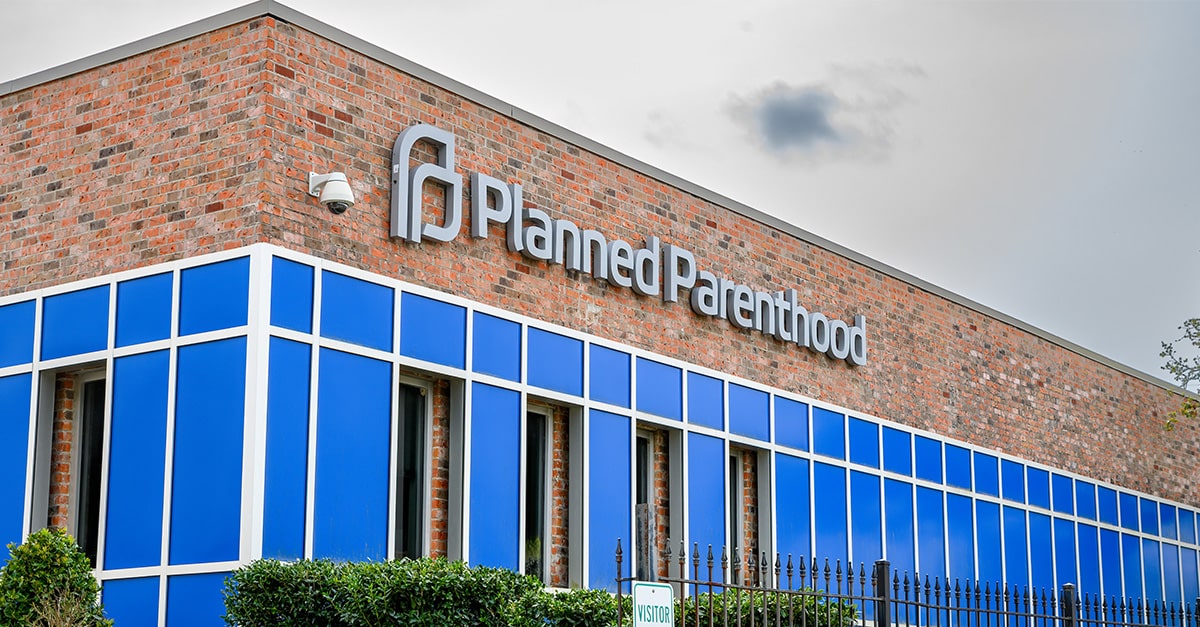
The nation’s leading abortion provider has announced that at least 38 facilities will close this year — including 4 clinics each in Iowa, Minnesota, and Illinois; 6 in California; 3 in Texas; and others in Indiana, New York, Vermont, Ohio, Utah, and Louisiana — and a total of as many as 250 clinics will be shut down by next year.
These clinic closures follow substantial cuts to Medicaid reimbursements and Title X funding and are a direct consequence of the “One Big Beautiful Bill” that was signed into law on July 4. The law includes a provision cutting one year of Medicaid funding to any tax-exempt entity that performs abortions. It also prohibits Medicaid reimbursement to large tax-exempt abortion providers, even for non-abortion services, if they received over $800,000 in 2023.
This is particularly devastating to Planned Parenthood, which receives more than $700 million annually in taxpayer funds, or more than one-third of its total revenue stream.
In response, several Planned Parenthoods affiliates quickly challenged the law in court, and U.S. District Judge Indira Talwani, well known for her friendliness to left-wing causes, issued a nationwide preliminary injunction temporarily blocking the Medicaid defunding provision.
Most court watchers agree that this last-ditch effort to keep Planned Parenthood on the government dole will soon be overturned by an appellate court — and no one is more persuasive of that likelihood than Planned Parenthood itself.
That’s because actions speak louder than words, as the old saying goes. Planned Parenthood’s decision to start shuttering clinics rather than wait out the judicial process pretty much shouts how little confidence it has that Talwani’s shaky legal reasoning will hold up. Even the Washington Post’s editorial board characterized her ruling as “lower court activism” and “judicial overreach” since she’s blocking an act of Congress, which “holds the power of the purse.”
Judicial machinations aside, the closure of dozens of Planned Parenthood clinics in a single year is a historic moment in the fight for life. For decades, Planned Parenthood has operated with near-untouchable status in many states, benefiting from billions of dollars in taxpayer funding while performing the majority of abortions in the country. In fact, Planned Parenthood performed over 402,000 abortions in 2022-2023, according to its annual report, nearly 25 percent more than it did in 2013.
The fact that more than one-third of Planned Parenthood clinics could be boarded up by 2026 is a signal that the pro-life movement is finally moving from defense to offense. Every clinic that closes means fewer abortions performed and fewer communities saturated with the message that terminating a pregnancy is a solution rather than a tragedy.
When Congress passed the “One Big Beautiful Bill,” many doubted whether it would have tangible consequences. These clinic closures prove that legislation aligned with pro-life values can reshape the landscape of American pregnancy care.
This moment is also crucial because it disrupts Planned Parenthood’s ability to shape policy and public opinion. With fewer clinics, less funding, and diminished political leverage, the organization can no longer dominate the national conversation with the same force. Fewer clinics mean less presence in public schools and colleges, fewer referrals from public agencies, and less influence over vulnerable young women.
These closures also reveal how deeply the abortion industry relied on government money to stay afloat. For an organization that touts itself as essential “healthcare,” its rapid retreat in the face of losing taxpayer funding reveals how much of its business model was propped up by federal subsidies. The fact that even a temporary injunction couldn’t stop the shutdowns shows that many of these clinics were already on shaky financial ground.
But Planned Parenthood’s decline does not mean that women will lose access to health care. That’s because legitimate, life-affirming alternatives exist. For example, community health centers and Federally Qualified Health Centers, which outnumber Planned Parenthood centers nearly 15 to 1, provide non-abortion primary care without violating the pro-life commitment to protecting unborn lives.
The fact is, the “right” to end the life of a preborn child is not healthcare. And taxpayer dollars should never be used to obligate Americans to support an organization that performs abortion on demand.
The closures of Planned Parenthood clinics reflect real outcomes from the withdrawal of federal taxpayer support. And it’s just the latest in a series of major policy shifts and Supreme Court decisions that are the direct result of a politically active pro-life movement that has persisted for more than 50 years.
The Medicaid defunding provision is now duly enacted law, not an executive decree. The Hyde Amendment already limits the use of taxpayer dollars for elective abortions. The Supreme Court’s ruling in Dobbs overturning Roe v. Wade eliminated federal abortion protections and its recent ruling in Medina v. Planned Parenthood South Atlantic says states have the authority to remove abortion mills from its list of qualified Medicaid providers.
The defunding of Planned Parenthood marks a long-overdue victory for the pro-life movement and a powerful blow to the abortion industry. For far too long, taxpayer dollars have quietly fueled the expansion and normalization of abortion in America under the guise of healthcare. Even when funds weren’t used directly for abortion procedures, they helped prop up an organization whose core mission is to end innocent lives.
This loss of federal funding strips Planned Parenthood of the financial crutch that allowed it to saturate communities, shape public policy, and push abortion as a so-called right to healthcare. With clinics now closing and influence waning, America is finally seeing accountability replace complicity and life-affirming values take root in public policy.
If you like this article and other content that helps you apply a biblical worldview to today’s politics and culture, consider making a donation here.