In a time when religious freedom and public service often collide, Rock Church showed that it is possible to protect the God-given command to serve “the least of these” in practical, sacrificial ways while also remaining faithful to civil laws.
The Town of Castle Rock, Colorado, has reached a settlement with Rock Church, that will allow the congregation to continue operating a homeless shelter on its property and require the town to pay $225,000 in legal fees.
In a joint statement issued Friday, Rock Church and town officials announced the end of a legal dispute that began in 2023 over the church’s ability to house homeless individuals on-site.
“As part of this agreement, a new Letter of Determination will permit the Rock to operate its On-Site Temporary Shelter Ministry located in its existing parking lot,” read the statement.
The agreement also gives Castle Rock the option to install fencing or landscaping to partially screen the shelter area from nearby homes, under the settlement’s terms.
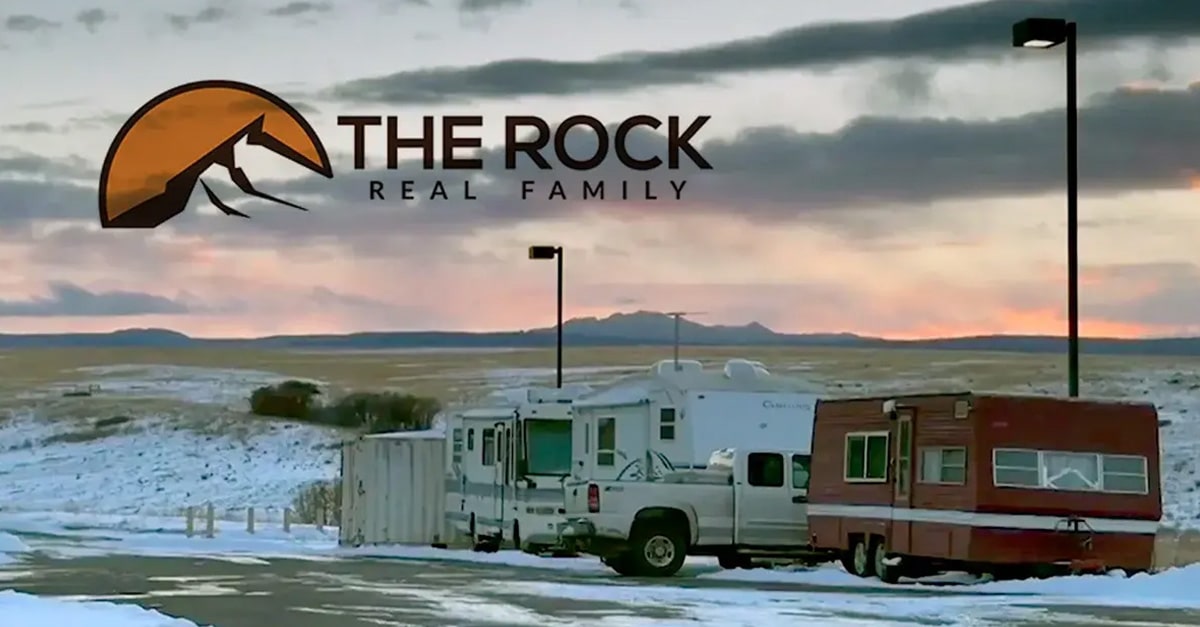
The church had been housing individuals in recreational vehicles (RVs) and campers on its property for several years and had proposed plans to develop short-term housing on its campus. However, town officials previously argued that such use conflicted with existing zoning rules, which do not permit housing on the church’s property.
In November, Castle Rock officials issued a statement stating that Rock Church would need to formally amend its development plan, which would require it to hold at least three neighborhood meetings and notify residents within 500 feet of the property before proceeding.
Rock Church filed a lawsuit, claiming the town’s restrictions violated the federal Religious Land Use and Institutionalized Persons Act by impeding its religious mission to serve the homeless.
“It’s part of an alarming trend that we’ve been seeing across the country of cities and state governments criminalizing compassion,” said Ryan Gardner, senior counsel with First Liberty Institute, in an interview with Denver 7 News.
In July 2023, U.S. District Court Judge Daniel Domenico issued a preliminary injunction in favor of the church, noting that the town’s actions appeared to burden the church’s exercise of religious belief. In his ruling, Domenico wrote:
“The Church stresses that by preventing it from allowing the homeless to live on its property, the Town is precluding the Church from exercising its religious beliefs regardless of whether it might be possible to provide for the needy in some other way. To the extent there is a dispute about whether the Church’s stated beliefs actually require it to provide shelter on its own property, there is no reason to second-guess the Church at this point, regardless of how idiosyncratic or mistaken the Town may find its beliefs to be.”
In 2024, the Town of Castle Rock accused the church of violating the land use code but have now backed up and agreed to let the church continue its on-site homeless ministry.
Jeremy Dys, senior counsel at First Liberty Institute, which represented the church, praised the town’s for settling the case, saying in a statement:
“This is a welcome resolution that goes far to encourage churches who care for those in need and a good example of the type of cooperation between church and state that every community should welcome.”
Mike Polhemus, pastor of Rock Church, also celebrated the outcome, saying,
“We are pleased that we can continue our church’s mission to transform society by loving others as Christ loved us. We love Castle Rock and are committed to working with the Town of Castle Rock to provide assistance to those in need, thus helping to reduce homelessness in our community.”
As part of efforts to avoid further litigation, the town issued a revised Letter of Determination in December that explicitly authorizes the church’s temporary shelter ministry and clarified its ability to provide emergency shelter in partnership with the Red Cross.
The case is similar to that of Ohio Pastor Chris Avell, who had opened his church, Dad’s Place, to the homeless when other shelters were out of space. Avell was arrested for his generosity, convicted of violating fire and zoning codes, fined $200, and sentenced to a suspended 60-day jail sentence. However, an Ohio appeals court has since blocked the criminal sentence and all penalties until the case can be heard on its merits.
City officials in Bryan, Ohio, argue that the church lacked proper permits for overnight occupancy and failed to meet fire safety requirements, including the installation of sprinkler systems. Avell and his legal team claimed the city was unjustly targeting a ministry dedicated to serving vulnerable individuals, particularly during the winter months.

The story of Rock Church in Castle Rock is a powerful reminder of the church’s enduring mission to serve “the least of these” (Matthew 25:40). The church has a number of on-site outreach programs for struggling locals, including food distribution, job training, and financial assistance, but its ability to provide temporary shelter for those suddenly down on their luck is one of its most beneficial.
For example, a single mother named Taylor and her young son were able to stay in one of Rock Church’s RVs for several weeks as she worked to stabilize her personal situation.
“I was able to get back on my feet and drastically improve my own and my son’s living circumstances and future prospects,” she said. “I had nowhere else to go… Without the Church’s help, I would have been separated from my son and do not think I would still be living today.”
Another individual, Joe, also turned his life around with the church’s support. Once battling drug addiction, Joe found safety in the church’s temporary shelter and strength in the surrounding Christian community. Today, he is clean, employed, and living free from the grip of addiction.
Fred’s experience mirrors that transformation. Facing housing insecurity, he credits the church’s shelter and support with helping him avoid homelessness.
“The church helped me locate this apartment, paid my first month’s rent, and continued to provide me food while I was getting back on my feet,” Fred said. “Since leaving the Church’s temporary shelter, I have maintained my employment with FedEx and continue to live in the same apartment without needing financial assistance.”
In helping people help themselves and showing them the love and support they need at their lowest point, Rock Church has clearly chosen obedience to Christ over comfort. And now despite zoning battles, legal and financial pressure, and community scrutiny, this congregation has now successfully defended the right to shelter the homeless as an expression of their faith.
Scripture is clear that faith without works is dead (James 2:17), and Rock Church chose to live out their faith boldly. In doing so, they have not only saved lives but also declared to their community that the Gospel is more than a message; it’s a mission.
Christ calls His followers to care for the poor and forgotten. In Luke 4:18, Jesus declares that He came to “proclaim good news to the poor… to set the oppressed free.” When Rock Church opened its parking lot to house people in RVs, it offered more than just shelter; it extended dignity and hope.
The church’s legal defense under the Religious Land Use and Institutionalized Persons Act was about protecting the God-given command to love their neighbors in practical, sacrificial ways. In a time when religious freedom and public service often collide, Rock Church showed that it’s possible to remain faithful to the laws of civil government without compromising the law of Christ.
PHOTO: Rock Church offers struggling locals temporary shelter inside of RVs and campers at its property in Rock Castle, Colorado. CREDIT: First Liberty Institute
If you like this article and other content that helps you apply a biblical worldview to today’s politics and culture, consider making a donation here.