Beginning in 1991, LGBTQ+ activists turned the Happiest Place on Earth into a classroom for sexual perversion in direct rebellion against the clear teaching of God’s Word, but the cultural winds are finally shifting — for now. Will the Church finally stand up for children and biblical morality?
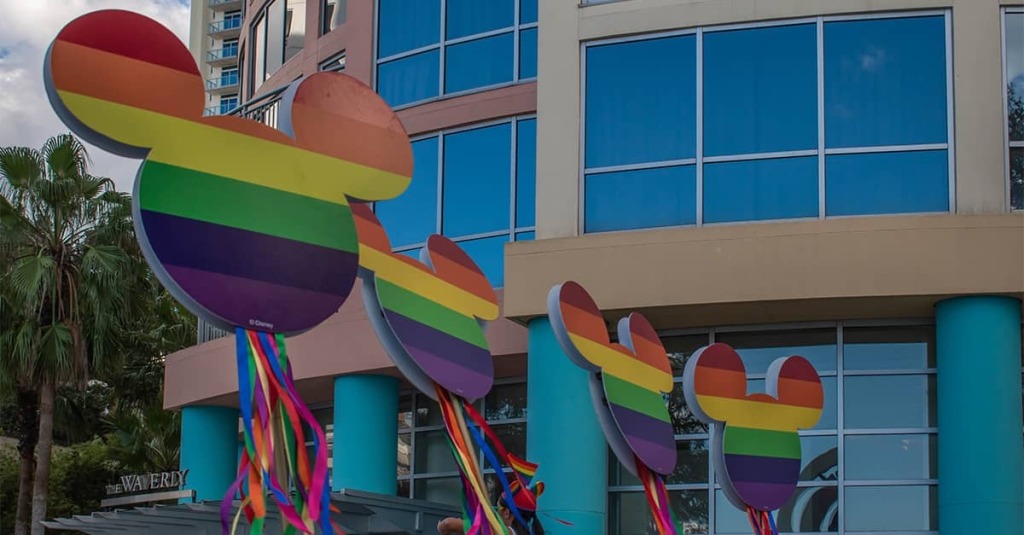
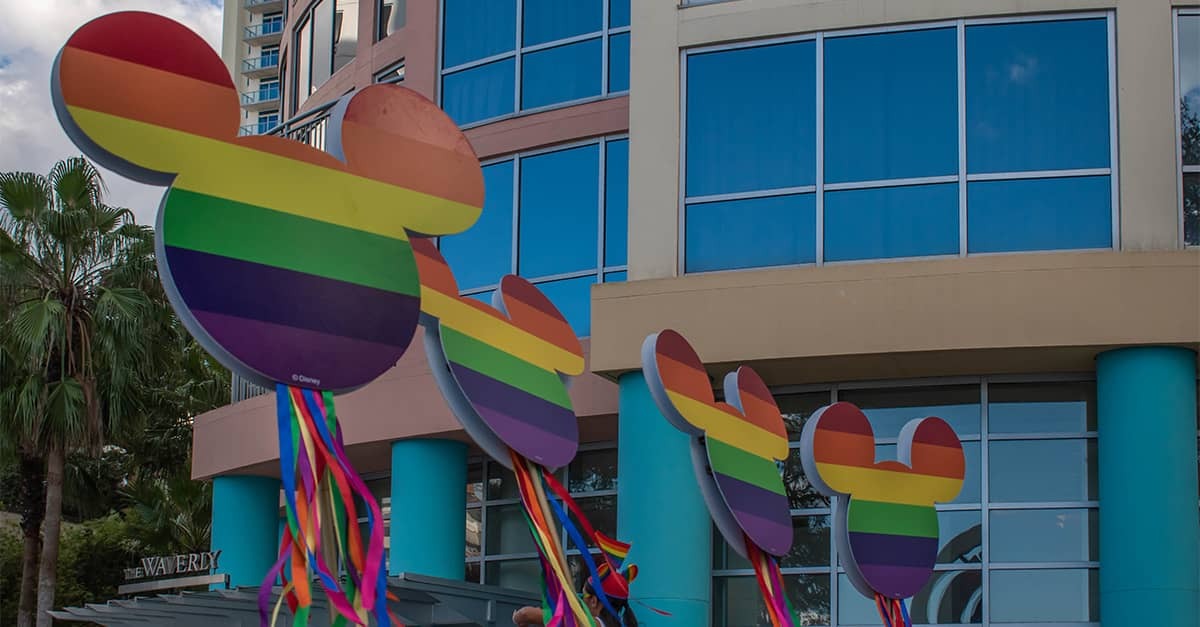
For 35 years, the gates of Walt Disney World, a kingdom marketed as a wholesome escape built on fairy tales and childhood dreams, have swung open for an annual June event that was anything but child-friendly in its origins.
Gay Days Orlando, born in 1991 as a quiet act of visibility, steadily grew into one of the largest LGBTQ+ gatherings in the country, drawing as many as 180,000 participants annually and injecting more than $100 million dollars in peak years into Central Florida’s economy.
This year, for the first time since its founding, it won’t happen.
On Feb. 9, Gay Days Orlando announced that it would not hold its June 4-7, 2026, event during what would have been the event’s 35th anniversary. Organizers cited the loss of key sponsors, changes to their host hotel agreement, and what they called “broader challenges currently impacting LGBTQ+ events nationwide.”
They insist the pause is not a permanent ending, but whether or not the event returns, the Church should understand what just paused — and why it matters.
A Kingdom Taken, One Red Shirt at a Time
The story of Gay Days is, at its core, a story about cultural conquest through occupation. In June 1991, roughly 3,000 LGBTQ+ individuals from across Central Florida arrived at Walt Disney World wearing red shirts — a silent, coordinated signal to one another and to every family standing in line with them. There was no permit. No official invitation. Just presence, organized and deliberate, in a space beloved by children.
Disney’s initial response was telling: The company posted signs at park entrances warning guests that “members of the gay community” would be present that day. It was one of the last times Disney would offer families any such transparency.
Within a decade, Gay Days had grown so large and so embedded in the tourism calendar that Disney quietly moved from warning families to accommodating the event, offering Pride merchandise, themed food and beverages, and a wink of institutional approval even while maintaining the fiction that it was a third-party gathering.
By 2010, the event had ballooned to approximately 150,000 attendees over six days, expanding far beyond the parks into pool parties, adult-oriented conventions, circuit party events, and nightlife programming across Central Florida. In some peak years, the economic footprint exceeded $100 million.
Gay Days had become, by any measure, a cultural institution — one built inside the infrastructure of the world’s most recognized family brand.
The Church Was Right — But Retreated
For years, the Church raised the alarm. In June 1997, the Southern Baptist Convention launched an eight-year boycott of Disney. Other religious organizations flew banner planes over the parks during Gay Days as a way of warning families who had unknowingly booked their vacations during the event.
They were mocked, dismissed as bigots, and ultimately ignored — not only by Disney but, tragically, by much of the broader evangelical Church already in full retreat from cultural engagement.
But the concern was never irrational — it was obedient. Jesus did not mince words in Matthew 18:6:
“Whoever causes one of these little ones who believe in me to sin, it would be better for him to have a great millstone fastened around his neck and to be drowned in the depth of the sea.”
A children’s theme park deliberately saturated in adult sexual expression is not a neutral space. It is, by Christ’s own standard, a place of moral danger for the young. Proverbs 22:6 commands parents to train up a child in the way he should go. Deuteronomy 6 places the responsibility for a child’s moral formation squarely on parents — not corporations with a financial interest in softening children’s exposure to adult sexuality.
For 35 years, Gay Days turned the Happiest Place on Earth into a classroom for sexual perversion in direct rebellion against the clear teaching of God’s Word (Rom. 1:26–27; 1 Cor. 6:9–11), and we are seeing the fruits of that today.
When the Money Moves, Watch the Culture Shift
The most revealing detail in the Gay Days collapse is not what organizers said, but what they carefully did not say. Asked directly whether the Trump administration’s dismantling of Diversity, Equity, and Inclusion (DEI) programs played a role in the sponsor exodus, co-owner Josh Duke acknowledged that “the broader national climate has certainly created a more cautious environment overall,” but stopped short of assigning blame to any political actor. Instead, he described a broad corporate retreat from sponsorships affecting not only LGBTQ+ events but “festivals, conferences, and large gatherings in general.”
That careful evasion tells its own story. For years, corporate DEI budgets functioned as a shadow subsidy for progressive activism funding Pride events, LGBTQ+ travel gatherings, and ideological advocacy under the respectable cover of “inclusion.”
When the Trump administration began dismantling federal DEI infrastructure and corporations began quietly recalculating the political cost of association with divisive causes, that pipeline dried up. One Magical Weekend, a parallel LGBTQ+ event in Orlando, similarly lost its key liquor sponsor and its beer and wine distributor this year. The Gay Days pause was not an isolated accident. It was a financial ecosystem responding to a changed political climate.
The pattern extends beyond Orlando. Austin Pride announced last summer that its festival would “look and feel a bit different” due to funding cuts, writing publicly: “Like many Pride organizations across the country, we’ve been impacted by the current political climate and yes, that includes our funding.” A Pride event outside Tulsa postponed its 2025 gathering entirely, citing a “heightened climate of hostility” and fundraising failure.
What is emerging is a national picture: When cultural pressure from the top shifts, corporate money — which was never principled to begin with — follows.
This Is Not a Victory, Just a Window
There will be a temptation among conservatives to read the Gay Days pause as a cultural win and move on. That would be a grave mistake.
The organizers have made clear this is a reset, not a retreat. One Magical Weekend has already announced that its June 2026 Orlando event is nearly sold out, citing a surge of “intentional visitors” determined to show up louder than before. Gay Days Anaheim remains scheduled for September 18-20, 2026, at Disneyland Resort. And Disney itself — the corporation that once posted warning signs for families — now produces official Pride Nite events and Pride merchandise, and has embedded gender ideology throughout its streaming content and theme park programming.
The underlying ideology has not weakened. What has weakened is the corporate infrastructure that was quietly funding it. When sponsors regroup — and they will the moment political winds shift again — a reimagined Gay Days will return, better funded and more emboldened. Parents who assume a Disney vacation is spiritually neutral territory are operating on a fantasy more fictional than anything on the screen.
What the Church Must Do
The Church does not have the luxury of sitting out the battle over children’s imagination. The family is not merely a social unit; it is a covenant community appointed by God to reflect His glory and transmit His truth across generations (Ps. 78:4–7).
That means fathers and mothers must reckon honestly with what they hand their children when they purchase a ticket or book a vacation. It is not legalism to ask whether an entertainment choice is compatible with raising children in the discipline and instruction of the Lord (Eph. 6:4).
It is stewardship and real love.
What’s more, the Church must preach clearly and without apology on human sexuality — not as a culture war talking point but as a pastoral act of love toward real people drowning in confusion. The same Scripture that calls homosexual behavior sin also declares that such were some of you (1 Cor. 6:11). The Gospel is powerful enough to transform those who practice even the most broken sexual activities. But it cannot be proclaimed by a Church too cowardly to name what they are being transformed from.
Gay Days Orlando is pausing. The corporate money that funded it is, for now, retreating. But the ideology has not collapsed — it has merely recalibrated.
What this moment offers the Church is not a victory lap but a window — a window to re-engage, re-disciple, and re-establish the biblical foundations for family, sexuality, and the sacred responsibility of shaping the next generation — before the movement returns with fresh momentum.
Christ is also King over the Magic Kingdom. The Church should act like it.
If you like this article and other content that helps you apply a biblical worldview to today’s politics and culture, consider making a donation here.