We can no longer ignore the conspiracy theories that have exploded since Charlie Kirk’s murder. Here’s why we as Christians must have an honest conversation with ourselves and others so that we can discern the truth and push back on contemptible conspiracies.
This is a lightly edited transcript of the “Here’s the Point” podcast by Ryan Helfenbein, executive director of the Standing for Freedom Center, which is included on this page.
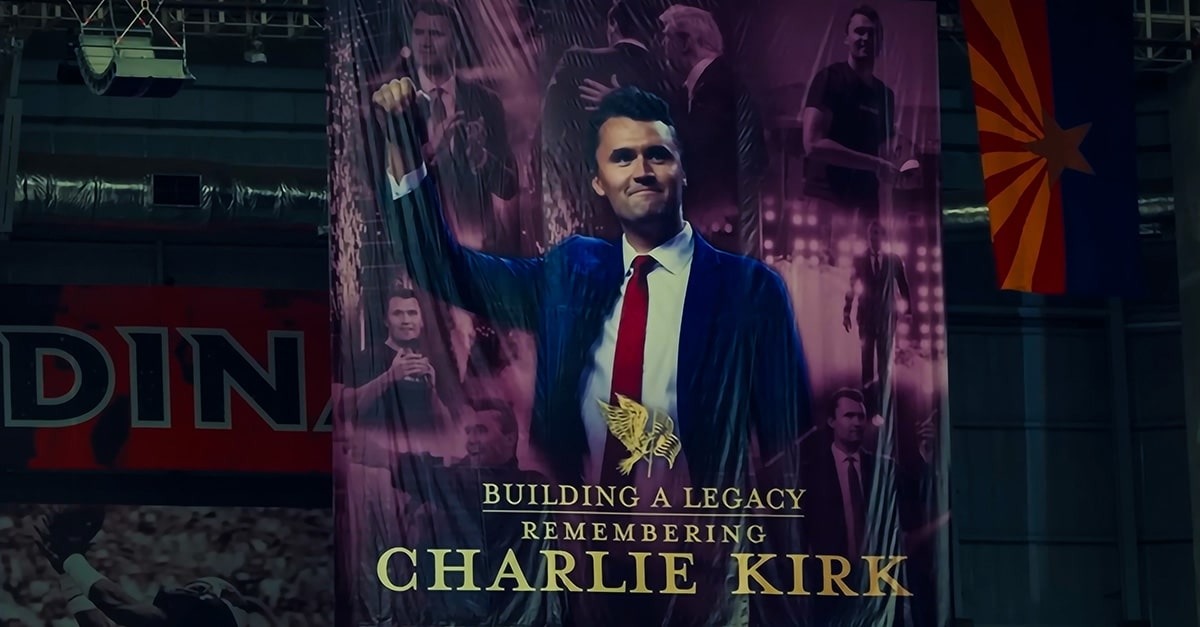
Since Charlie Kirk’s assassination on September 10, 2025, conspiracy theories on social media have exploded. Some have honestly questioned official narratives and followed statements to find discrepancies.
Much of this was warranted by the deluge of bad information Americans have received for years. Many well-meaning people have been reasonable in their doubts, having concerns satisfied when presented with facts.
The early conspiracy surrounding the suspicious fellow wearing shades and a ball cap, believed to be gesturing to the gunman, turned out to be Christian apologist Frank Turek. Most have been satisfied Frank is not part of the plot.
Others haven’t been persuaded. There has been weaponization of grief to advance theories about foreign actors, shadow governments, and espionage within the Calvary Chapel circuit. Those claiming to be “just asking questions” only breed suspicion and division.
I want to be clear, I’m talking about Candace Owens and anyone who has thrown in with her, spreading accusations that vilify good people. She has shown contempt for Turning Point, contempt for allies and friends, even contempt for Erika Kirk.
That contempt is without warrant and utterly contemptible.
How should we think — and think critically — about conspiracy theories?
Start with this point: Not all conspiracy theories are true. Some have been proven true. COVID, Black Lives Matter (BLM), January 6, Epstein, and the failed assassination attempt on Trump would have any sane person asking deeper questions. Even still, most conspiracies prove to be false.
However, when promoted after a tragedy, at the expense of close friends and a widow, they cause real damage and emotional pain, even putting innocent lives at risk. They divide coalitions, destroy reputations, and distract from honoring Charlie’s legacy.
We’ve watched conspiracy theories fracture what should have been a unified response. We saw real Christian revival on a scale not seen in a long time. Rather than pause for grief, some immediately pivoted to endless speculation and stole attention away from a real God moment in America.
Think about that. And think some more. These theories cast needless suspicion. They accused people of being complicit in his murder — even Charlie’s wife, Erika. That’s sick and twisted. All without evidence and never with any accountability.
“Just asking questions” has become a rhetorical dodge. It’s insinuating accusations without responsibility.
So, here are a few helpful tips:
First, critical thinking requires asking difficult questions of ourselves first.
Before entertaining anyone else’s idea, stop and ask yourself: “Is what I’m thinking true? Do I have evidence? Am I feeding suspicion? Is it edifying?”
When applied correctly, critical thinking does work. It worked during COVID when Christians refused to accept that lockdowns were medically necessary or that masks worked or that natural immunity didn’t matter or that questioning vaccine mandates made you selfish.
It worked during the BLM riots when Christians recognized the movement for what it was — a Marxist operation trafficking in emotional manipulation. Critical thinking allowed us to reject the false narrative that America is systemically racist.
But critical thinking doesn’t mean believing every rival narrative. It means evaluating evidence honestly and having the humility to say, “I don’t know,” but also the humility to say the obvious, “She just doesn’t sound right or stable to me.”
Second, critical thinking demands we evaluate sources based on their track record.
Those promoting wild conspiracies about Charlie’s death who claim insider knowledge, have they been proven wrong? How many times must they be proven wrong before they’re untrustworthy? Have they shown humility when wrong? Have they apologized to Charlie’s widow?
No. They moved to the next emotional thing, leaving only wreckage behind. They face no accountability. They build platforms on sensationalism and never answer for damage caused.
Christians must be discerning. If someone has been consistently wrong, if their theories collapse, if they show no humility — turn that person off and move on. Credibility matters. Truth matters.
Third, ideas have consequences and bad ideas have victims.
Conspiracy theories after Charlie’s murder hurt real people. They sowed discord among conservatives under tremendous grief. They promoted contempt for fellow conservatives and contempt for pastors and churches who were clearly on Charlie’s side. They cast clear suspicion on Charlie’s widow, his colleagues, and his friends. Who does that?
This isn’t about stifling legitimate questions. It’s about recognizing when speculation becomes destructive, about when “just asking questions” becomes a weapon against our allies, instead of our adversaries.
Finally, Christians need to return to first principles fast.
We worship the God of all truth. Jesus said, “You shall know the truth, and the truth shall set you free.” We’re called to pursue truth, not speculation, not endless myths, and not sensationalism.
We’re called to love our neighbors and our Christian brothers. We’re called to build unity around the Gospel and the truth, not fracture coalitions over baseless theories.
Yes, question authority when warranted. Yes, demand evidence. Yes, think critically. But do it with wisdom, discernment, and love for truth and neighbor. Be humble and honest when proven wrong.
The conspiracy theorists consistently wrong about Charlie’s death aren’t owed our attention. Those who constantly hold allies, friends, and widows in contempt are the most contemptible of all.
Voices trafficking in this kind of divisive exploitation don’t deserve our time or attention, especially among Christians. So ask yourself: Does it advance the truth or feed suspicion? Is it beneficial or damaging?
Those questions matter. If we’re honest with ourselves and with each other, we can discern the truth from the stranger than fiction and we can also discern contemptible conspiracies with critical thinking. And that’s truth that will set anyone free.
If you like this article and other content that helps you apply a biblical worldview to today’s politics and culture, consider making a donation here.